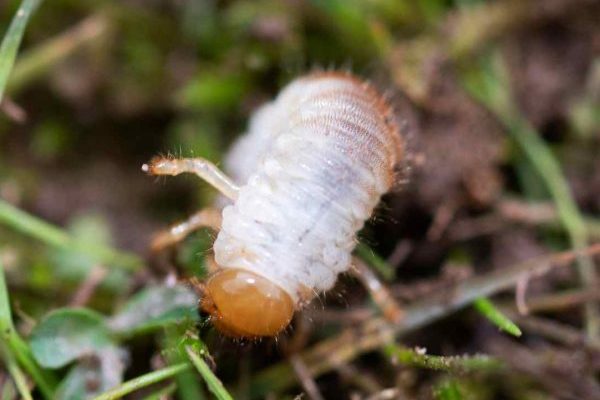
Chafer Grubs, Leather Jackets, Red Thread, Dandelions are all pests, and whether it is an animal, plant or a fungus, their eradication all form part of an Integrated Pest Management (IPM) solution.
IPM is a sustainable approach to not just controlling the pest in question but also the prevention of future development or infestation. The Green Standard takes consideration as the current maintenance practices, cultural methods, biological solutions and only after those chemical control.
We pride ourselves on being environmentally considerate and will look at resilience & prevention before delivering a chemical control.
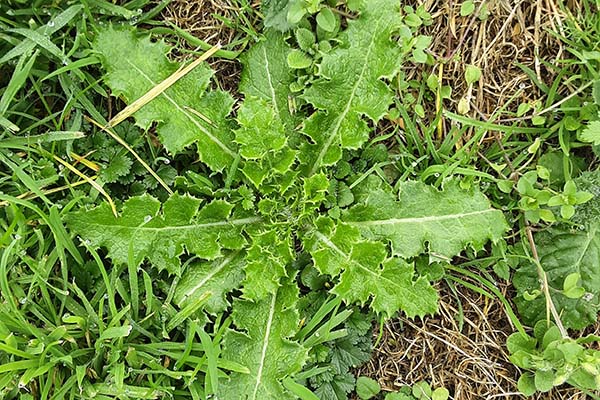
In UK lawns, broadleaf weeds are a common challenge, as they can quickly spread and outcompete grass, leading to an uneven, unhealthy lawn. Targeted controls aim to selectively eliminate these weeds while preserving the health of your grass. This approach focuses on using methods and treatments that specifically target broadleaf weeds without harming the surrounding turf.
Targeted weed control methods often involve selective herbicides that only affect broadleaf plants, leaving the grass unharmed. In addition to herbicide treatments, physical methods like hand-weeding or lawn aeration can help reduce the presence of weeds by improving soil health and providing optimal growing conditions for grass.
For a truly effective and sustainable lawn, it’s essential to adopt a long-term approach to weed control, including proper mowing, regular feeding, and ensuring good lawn care practices to prevent weed resurgence.
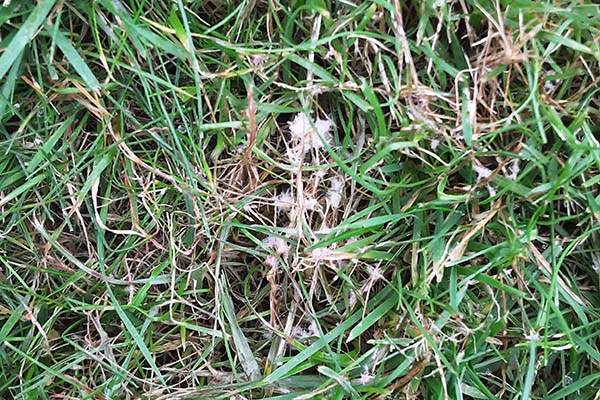
Lawn diseases can cause significant damage to turf, leaving unsightly patches and thinning grass. Targeted control measures aim to address these issues by focusing on the specific pathogens causing the problem while maintaining the overall health of the lawn.
Proper identification and timely intervention are key to effectively managing lawn diseases.
Targeted control methods for lawn diseases often include the use of fungicides, which can help to stop the spread of pathogens and restore lawn health. However, cultural practices such as improving soil drainage, reducing excess thatch, and proper mowing can also play a significant role in preventing and controlling lawn diseases.
To ensure a healthy, disease-resistant lawn, it’s important to focus on regular lawn care practices, such as proper irrigation, fertilisation, and aeration, to promote strong grass growth and reduce the likelihood of disease outbreaks.
Lawn pests, in particular chafer grubs and leatherjackets, can cause significant damage to your grass, often leading to weak, patchy, or unhealthy lawns. Understanding the specific pests affecting your turf and implementing targeted approach are essential for maintaining a healthy, pest-free lawn.
By implementing a combination of targeted pest control methods, regular lawn care, and preventative measures, you can help keep your lawn healthy and free from the damage caused by pests like chafer grubs, leatherjackets, and moles. Regular monitoring of the lawn for signs of pest activity is key to managing infestations before they become severe.